We are thrilled to announce the immediate availability of our secure telehealth video service! We now offer fully HIPAA-compliant video conferencing for our patients and friends that is:
Our new video chat service is completely safe and secure, fully protects the privacy of the patient, and works on Android and iOS, on PCs and Macs! The software is fully vetted and tested so that our patients and friends can rest assured that their protected health information will remain private and secure. All you need to have is a computer, tablet or smartphone with Web Cam and audio capabilities and a good internet connection! We are now scheduling appointments for new and established patients to video chat directly with the dentist to review your existing treatment plans and/or answer any of your dental need questions. Patients may schedule video chat appointments by calling our office and speaking with our staff available during business hours Monday through Friday.
Sincerely, W. Roger Long, DDS, PA Bethany T. Wierzbicki, DMD, MBA
The Right Way to Clean Denture Adhesive (Without Damaging Your Dentures)
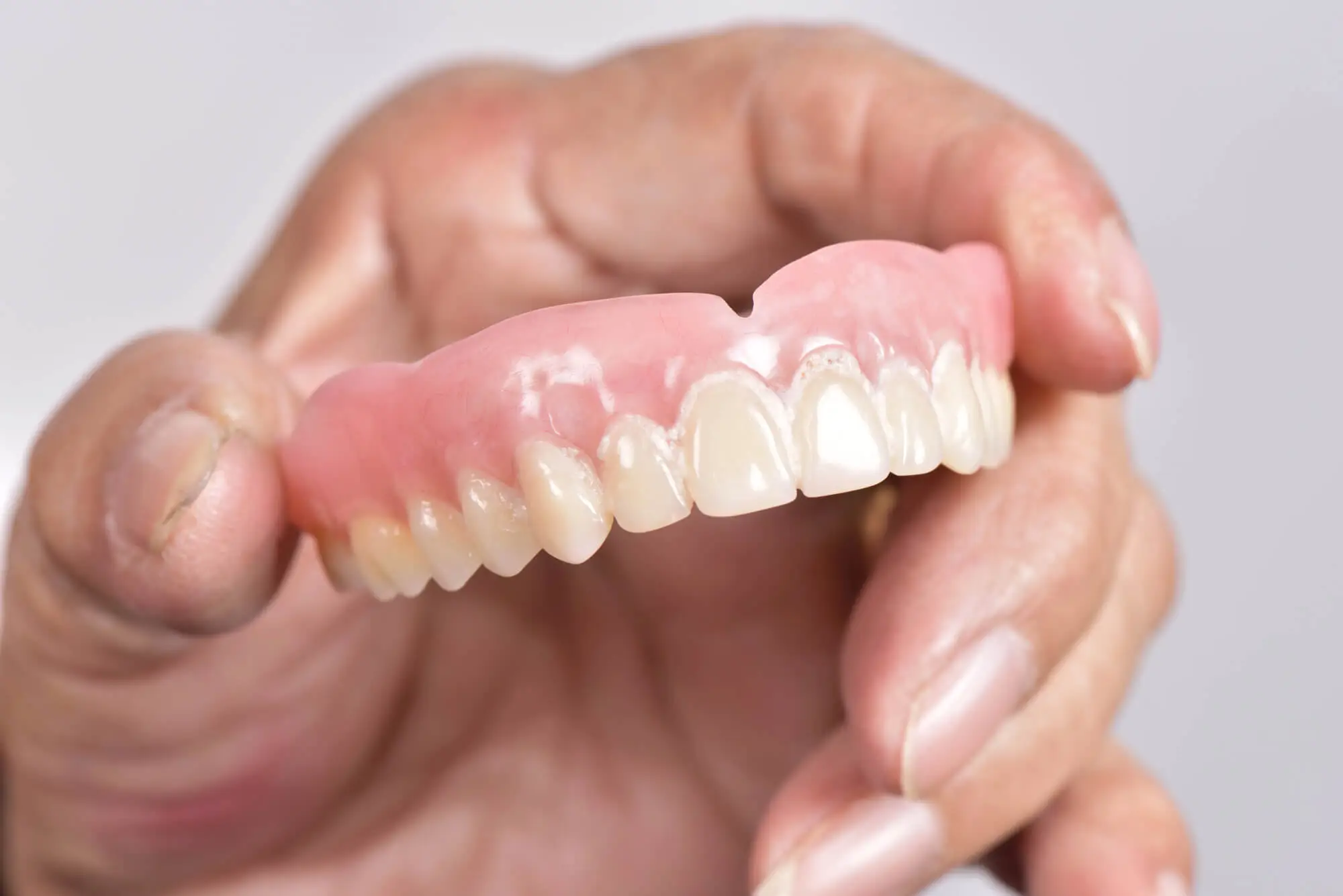
Denture adhesives can be a person’s biggest aid—and their greatest nightmare. It ensures your Fort Piece dentures stay in place for hours, allowing you to eat, speak, and smile with ease. However, removing it all at the end of the day can also be pretty hard.
Are you struggling to remove the last bit of stubborn adhesive? Here are some tips to help you clean your dentures more effectively!
How to Remove Denture Adhesive from Dentures and Gums
1. Ensure the Gums and Surrounding Area Are Clean
First, rinse your mouth with warm water, toothpaste, and a soft-bristle brush. This helps remove any exposed adhesive from the gums, palate, tongue, and roof of your mouth. Then, gently dislodge the dentures using a rocking motion.
2. Rinse the Dentures
Rinse your dentures under warm running water to remove strip adhesives. This helps loosen and wash away some of the adhesive residue. If there’s still leftover glue, rub the area with a damp exfoliating glove while holding the dentures under warm running water.
Leftover adhesive on your gums must also be removed. Rinse your gums with warm water for 30-60 seconds and use a damp washcloth or soft-bristle toothbrush to remove any lingering adhesive.
You can also gently rub the gums and palate with a soft brush and toothpaste to avoid causing harm to your delicate gums.
What Dissolves Denture Adhesive?
Warm water is the safest place to start, but stubborn residue may need a little extra help:
Warm salt water or mouthwash: Swishing for a minute can loosen adhesive on your gums and palate. Choose an alcohol-free mouthwash to avoid irritating sensitive tissue.
Denture adhesive removers: Rinses and wipes made specifically for adhesive can break it down without scrubbing.
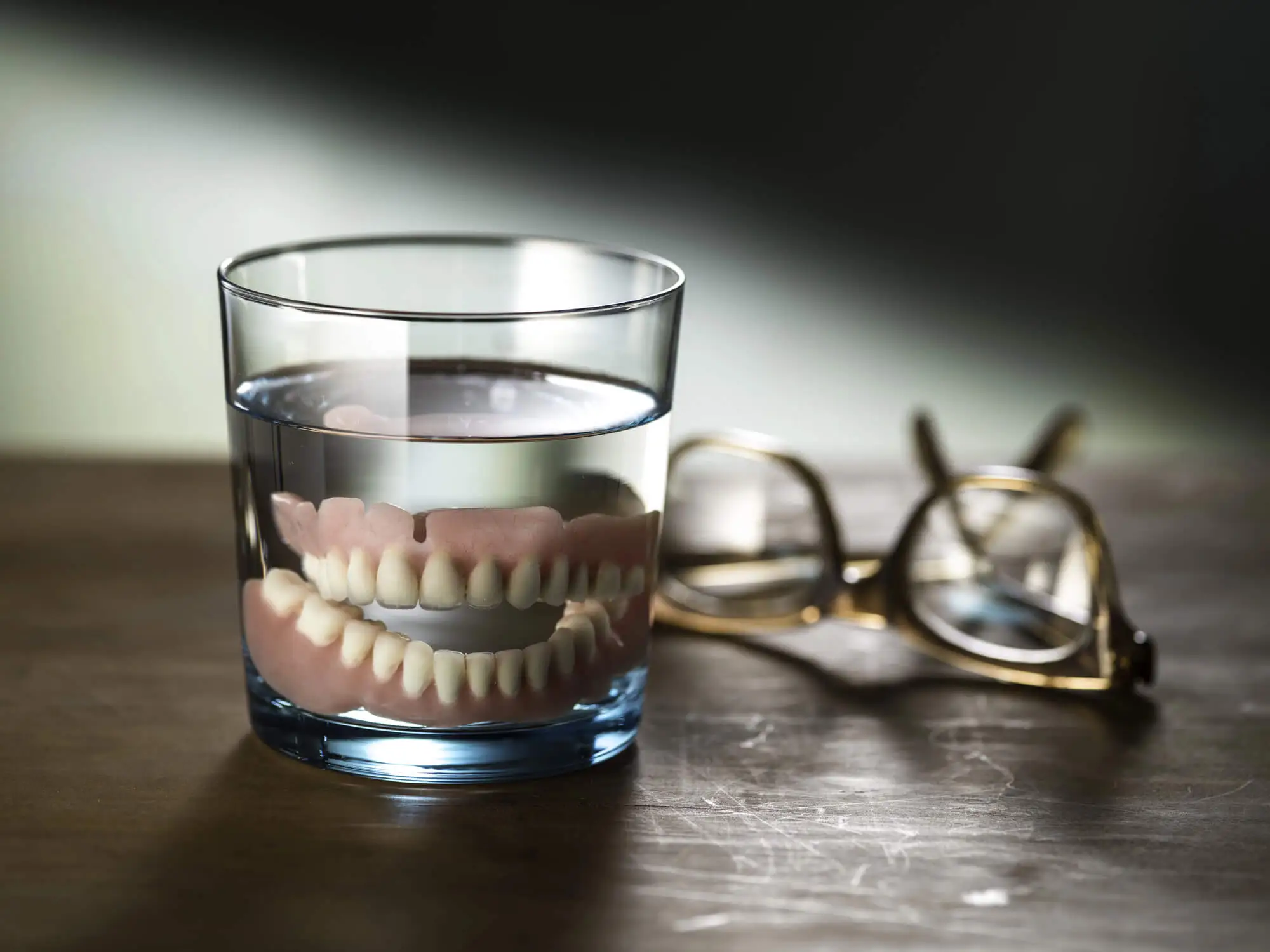
Soaking your dentures: A denture cleanser soak softens leftover adhesive, so it brushes off easily the next morning.
Avoid scraping adhesive with your fingernails, toothpicks, or sharp tools, which can scratch your dentures and cut your gums.
Use Less Adhesive to Make Removal Easier
The less adhesive you apply, the less you have to clean up. Three or four small dots, about the size of a pea, are usually enough for well-fitting Fort Pierce dentures. If you need more adhesive than that to keep them in place, or the adhesive keeps oozing out around the edges, your dentures may no longer fit properly and could need a reline or adjustment.
Is It Bad to Swallow Denture Adhesive?
Swallowing small amounts during the day is normal and generally not harmful. Overusing adhesive is a different story. Some formulas contain zinc, and swallowing large amounts of zinc-containing adhesive over a long period has been linked to nerve problems. Many brands now offer zinc-free versions, but always follow the label and use only as much as you need.
Never Use Super Glue on Dentures
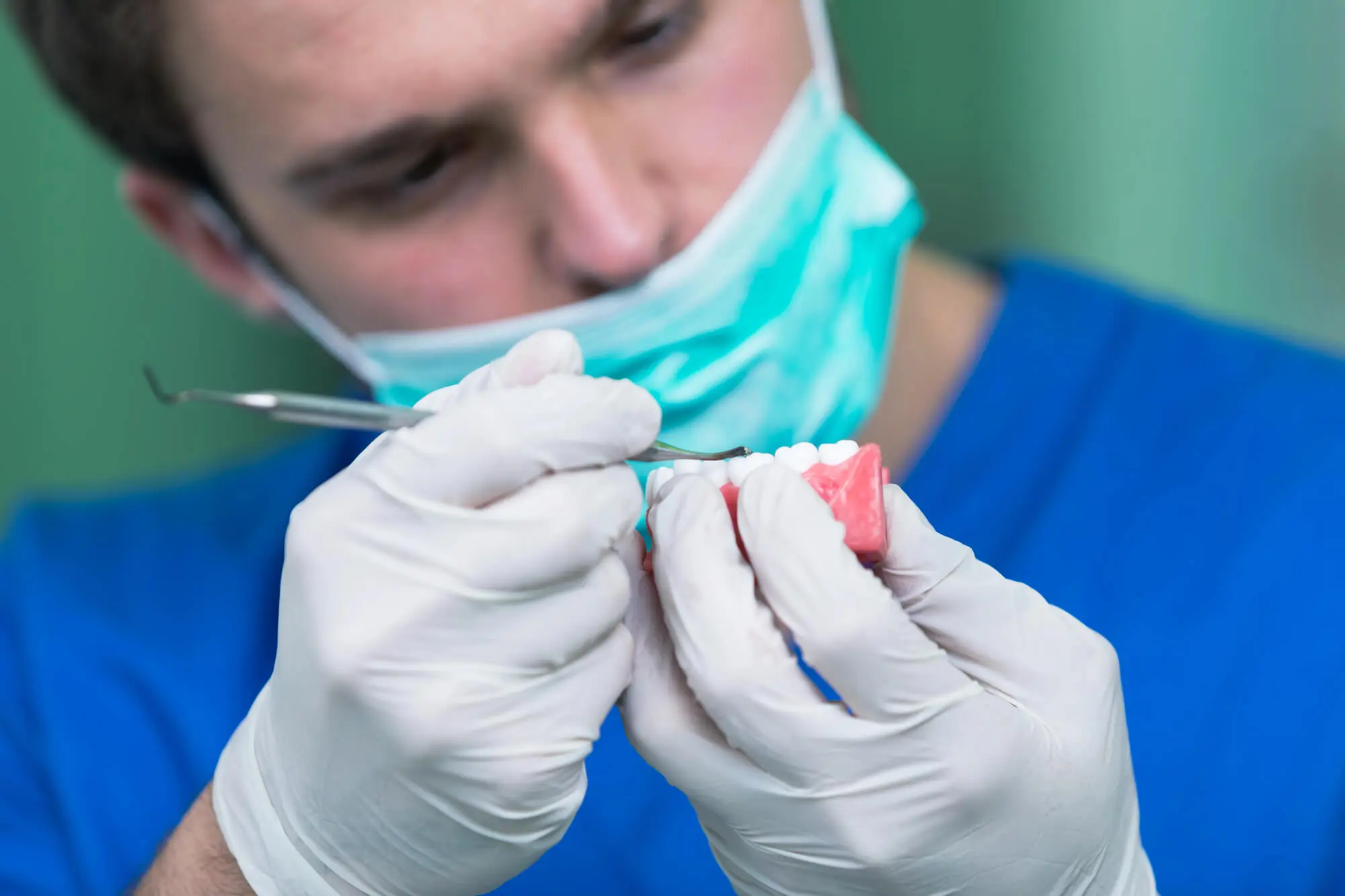
If your dentures crack or a tooth comes loose, it can be tempting to reach for super glue. However, household glues contain chemicals that aren’t safe for your mouth, aren’t easily removed, and can change how your dentures fit. If you’ve already glued your dentures, don’t try to scrape or dissolve the glue yourself. Bring them to your dentist, who can assess the damage and properly repair or replace your Fort Pierce dentures.
Learn How to Keep Your Fort Pierce Dentures Clean
Denture adhesive can be challenging to remove, and you may feel tempted to just leave it there for a day! However, adhesive residue can harbor bacteria, leading to oral health issues such as infections or gum irritation. Additionally, residue buildup can affect the fit of your dentures over time.
If you are having difficulty removing your denture adhesive, it may be a sign that the dentures are damaged and need a replacement. Contact Smooth Sailing Dental today and explore available options together to protect your dental prosthetics!