We are thrilled to announce the immediate availability of our secure telehealth video service! We now offer fully HIPAA-compliant video conferencing for our patients and friends that is:
Our new video chat service is completely safe and secure, fully protects the privacy of the patient, and works on Android and iOS, on PCs and Macs! The software is fully vetted and tested so that our patients and friends can rest assured that their protected health information will remain private and secure. All you need to have is a computer, tablet or smartphone with Web Cam and audio capabilities and a good internet connection! We are now scheduling appointments for new and established patients to video chat directly with the dentist to review your existing treatment plans and/or answer any of your dental need questions. Patients may schedule video chat appointments by calling our office and speaking with our staff available during business hours Monday through Friday.
Sincerely, W. Roger Long, DDS, PA Bethany T. Wierzbicki, DMD, MBA
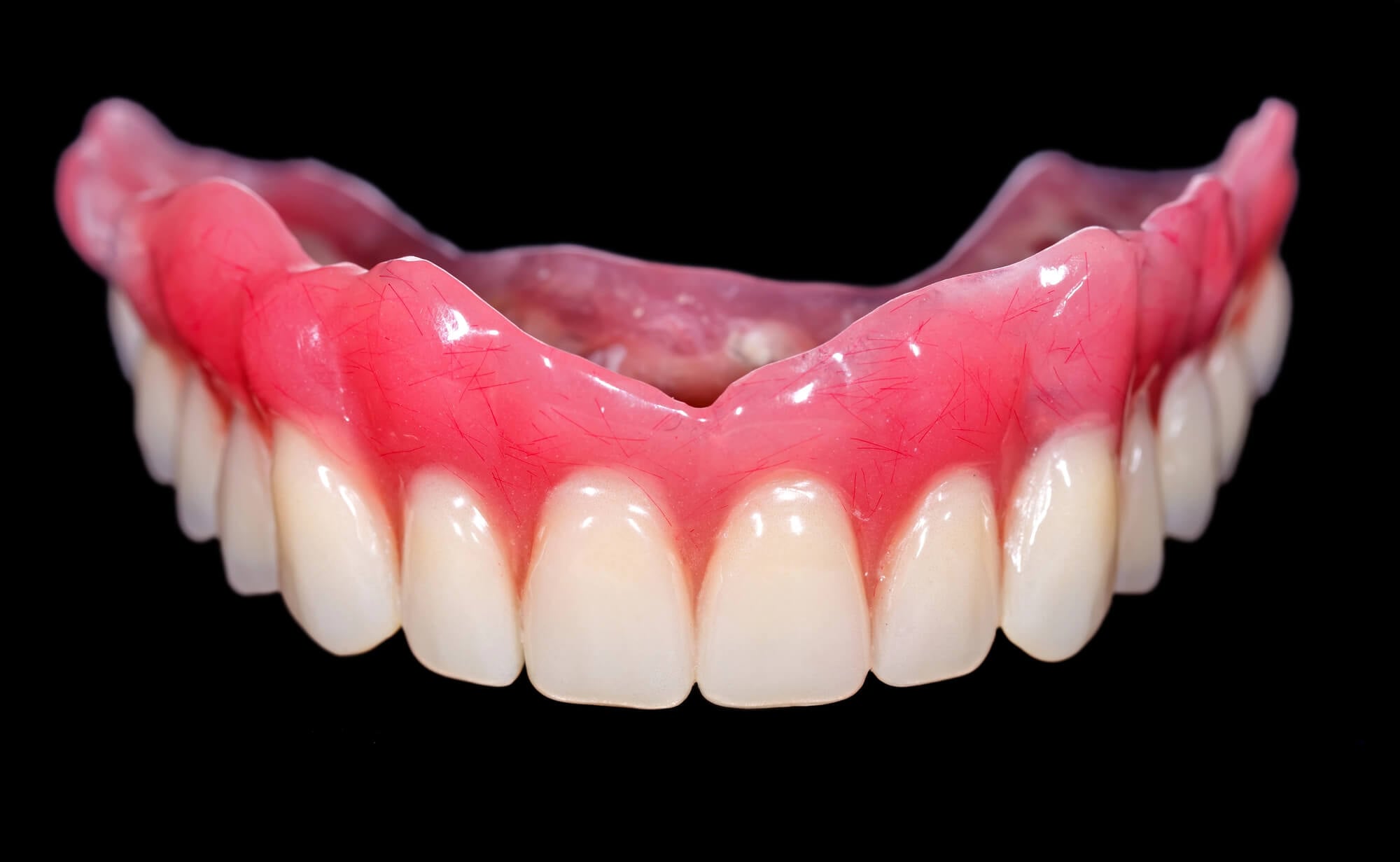
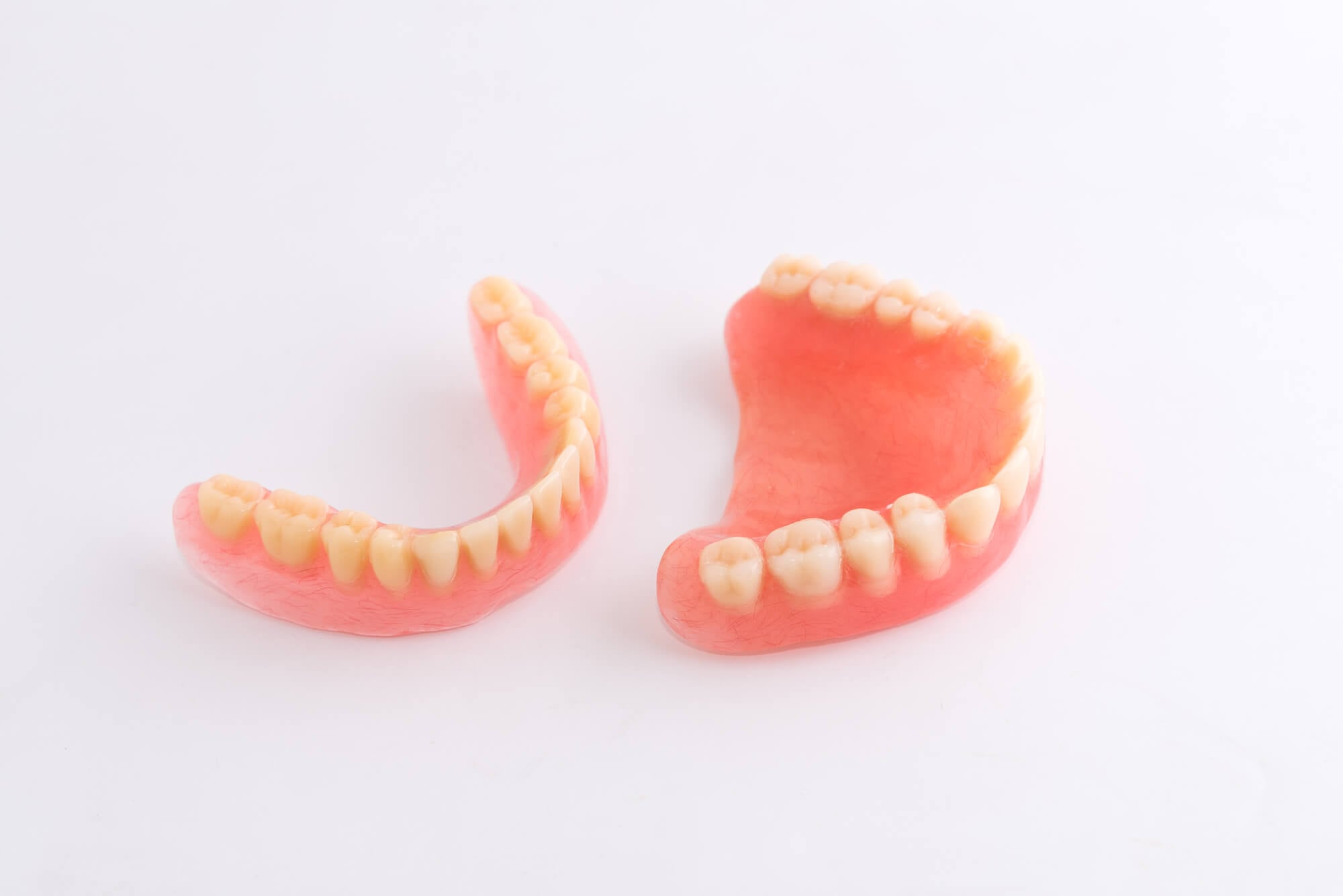
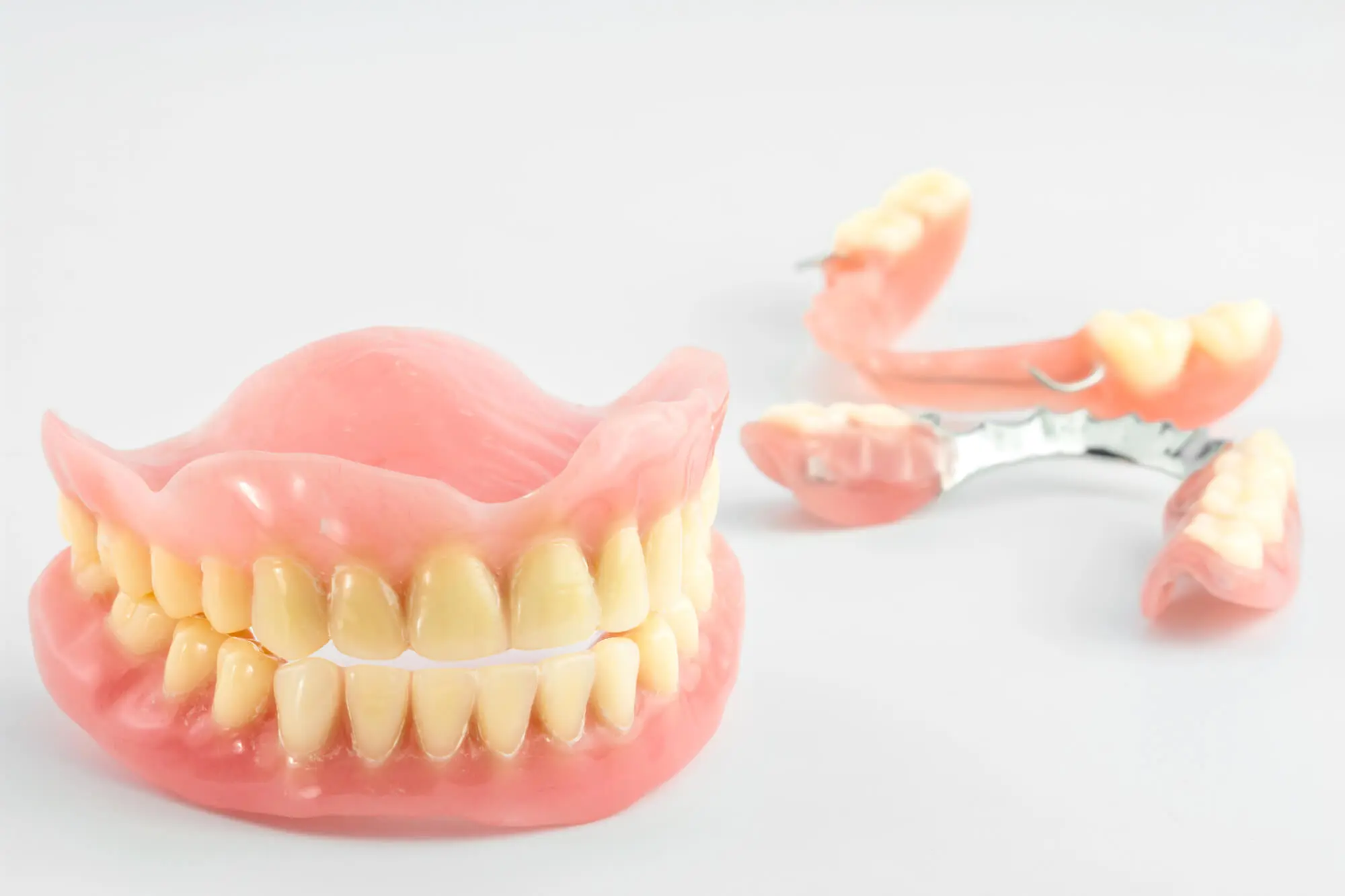
Your Fort Pierce dentures are meant to bring you confidence and a worry-free smile, but what happens when their color isn’t as vibrant as it once was? Over time, you may notice that your dentures don’t maintain the same color, which can be concerning. Understanding why this change occurs and what you can do about it will help you maintain both the appearance and functionality of your dentures.
Reasons Your Dentures Don’t Look the Same
Staining
One common reason for denture discoloration is staining. Like natural teeth, dentures can gather stains from various sources such as coffee, tea, red wine, tobacco, and certain foods. Poor oral hygiene can worsen staining, allowing substances to stick to the denture surface more easily.
Wear and Tear
Daily use of dentures can cause wear and tear, leading the material to degrade over time. As the denture base material wears down, it may become more porous, making it easier for stains to penetrate and discolor the denture. Additionally, constant friction from chewing and speaking can contribute to surface wear and dullness.
Aging
As dentures age, they may change color due to factors like exposure to sunlight, fluctuations in temperature and humidity, and material breakdown. This natural aging process can cause dentures to lose their original vibrancy and appear dull or yellowed.
Poor Maintenance
Neglecting to clean and maintain dentures properly can also cause discoloration. If you don’t remove food particles and plaque, bacteria can grow, leading to stains on the denture surface. Using the wrong cleaning products or methods can make discoloration worse and harm the denture material.
What You Can Do to Avoid This
Use a soft-bristled toothbrush or denture brush and mild denture cleaner to avoid damaging the denture material.
Soak your dentures in a denture cleaning solution overnight to help remove stains and bacteria.
Rinse your dentures well after eating and before soaking them to prevent staining.
Visit your dentist regularly for professional cleaning and assessment of your dentures.
Avoid smoking and consuming staining substances such as coffee, tea, and red wine to minimize discoloration.
Cleaning Mistakes That Change Your Dentures’ Color
Some discoloration isn’t caused by stains at all but by the products and habits meant to keep dentures clean. A few common mistakes to avoid:
Using bleach: Household bleach can turn the pink base of your dentures white and weaken the acrylic. Unless your dentist specifically recommends a diluted solution, keep bleach away from your dentures.
Soaking in hot water: Hot or boiling water can warp the denture base, affecting both its fit and its color. Always use cool or lukewarm water for rinsing and soaking.
Brushing with whitening toothpaste: Regular and whitening toothpastes are too abrasive for denture material. They create tiny scratches that dull the surface and give stains more places to settle.
Can You Whiten Dentures?
Many patients ask whether they can whiten their dentures the same way they’d whiten natural teeth. Unfortunately, whitening gels, strips, and in-office treatments don’t work on the acrylic or porcelain teeth used in dentures in Fort Pierce. Some of these products may even damage them. Instead, your dentist can professionally polish your dentures to remove surface stains and restore some of their shine. If the discoloration runs deeper, replacing the denture teeth or relining the base may be the better option.
What If Your New Dentures Are the Wrong Color?
Sometimes the problem isn’t that your dentures changed color, but that the shade never looked quite right. Teeth that are too bright can look artificial, while a shade that’s too dark can make your smile look older. With partial dentures, the replacement teeth also need to blend in with your remaining natural teeth, which may have darkened over the years. Most dentists let you preview the shade and shape during a try-in appointment before your final dentures are made, so speak up if the color doesn’t feel right. Adjusting it at that stage is much easier than after the dentures are finished.
When Discoloration Means It’s Time for New Fort Pierce Dentures
Most dentures last about five to ten years. If yours are stained in ways professional cleaning can’t fix, and you also notice a loose fit, chipped or worn-down teeth, or sore spots on your gums, it’s likely time for a new set rather than another cleaning.
Need Help with Your Fort Pierce Dentures?
If you’re experiencing discoloration or think it might be time for a new set of dentures, Smooth Sailing Dental is here to help. Our expert team offers top-notch denture services to ensure your smile stays bright and confident. Contact us today for a consultation!