We are thrilled to announce the immediate availability of our secure telehealth video service! We now offer fully HIPAA-compliant video conferencing for our patients and friends that is:
Our new video chat service is completely safe and secure, fully protects the privacy of the patient, and works on Android and iOS, on PCs and Macs! The software is fully vetted and tested so that our patients and friends can rest assured that their protected health information will remain private and secure. All you need to have is a computer, tablet or smartphone with Web Cam and audio capabilities and a good internet connection! We are now scheduling appointments for new and established patients to video chat directly with the dentist to review your existing treatment plans and/or answer any of your dental need questions. Patients may schedule video chat appointments by calling our office and speaking with our staff available during business hours Monday through Friday.
Sincerely, W. Roger Long, DDS, PA Bethany T. Wierzbicki, DMD, MBA
Why Some Tooth Extractions Are More Complicated Than Others
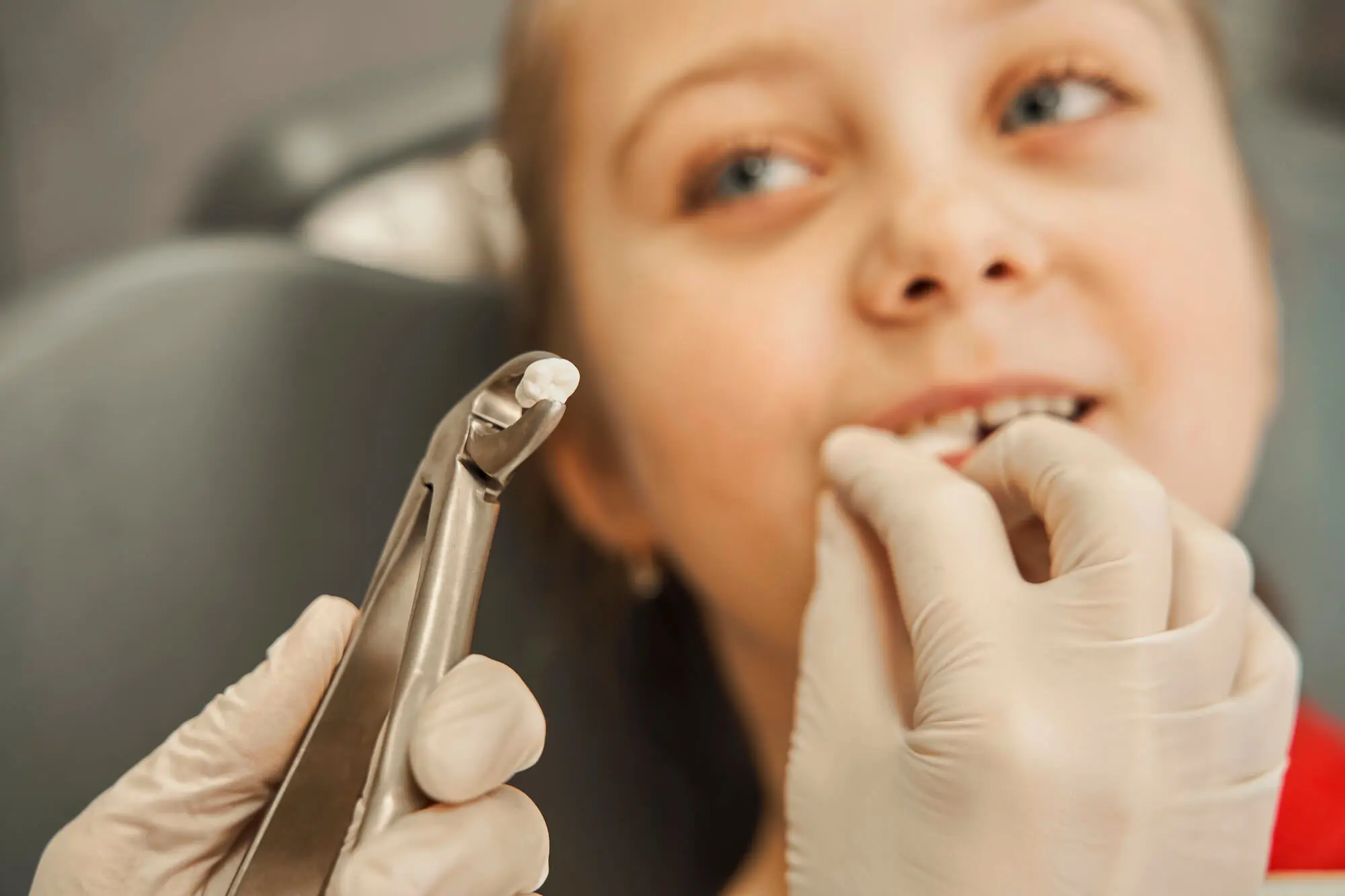
Dental extractions can seem scary, but they’re often the treatment your smile needs to recover to optimal condition. Any dentist in Fort Pierce will do their utmost to avoid removing natural teeth because they are more durable and long-lasting than any restoration—and because extractions can also be challenging for us.
Factors like a tooth’s location, root shape, the patient’s anatomy, and the reason for extraction all affect how intricate the process can be.
1. Impacted Wisdom Teeth
Third molars, commonly known as wisdom teeth, can grow at an angle, remain partly under the gum, or be trapped in the jawbone. These factors, plus the limited access at the very back of the mouth, make them harder to extract.
2. Upper Molars with Curved or Fused Roots
Upper molars can have three curved, hooked, or fused roots, making them harder to loosen without fracturing.
3. Canines (Especially Upper Canines)
Canines have the longest roots in the mouth, which makes sense, as they aim to help tear down food. However, they can be harder to remove because they’re firmly anchored in dense bone.
4. Lower Second Molars
Their location is tricky for visibility and leverage, and they sit in very dense mandibular bone. Moreover, they can be close to the mandibular nerve, increasing the risk of nerve injury.
5. Severely Broken or Decayed Teeth
When teeth are too decayed, there may be little tooth structure to grip with extraction instruments, requiring sectioning of roots and surgical removal.
What to Expect After a Complicated Extraction
The more involved the extraction, the more attention your recovery needs. One of the biggest risks after a surgical extraction—particularly with impacted wisdom teeth or sectioned roots—is dry socket, which happens when the blood clot protecting the extraction site is dislodged too early. It typically presents as a throbbing pain that begins two to four days after the procedure, sometimes accompanied by a visible empty socket or an unpleasant taste. Avoiding straws, smoking, and vigorous rinsing in the first 24 hours goes a long way toward preventing it.
Healing itself happens in stages: the first few days involve clot formation and swelling, which usually peaks around day two or three before starting to subside. Soft tissue typically closes within 1 to 2 weeks, while deeper bone healing continues for several weeks after that. Sticking to soft foods—think yogurt, mashed potatoes, and broth—for the first few days and gradually reintroducing normal foods as tenderness fades helps avoid disrupting the site.
Why the Right Dentist in Fort Pierce Matters for Complex Cases
Not every extraction calls for the same level of planning. When a tooth has curved roots, sits near the mandibular nerve, or is broken below the gumline, the margin for error is smaller—which is exactly why choosing a dentist in Fort Pierce with experience in surgical extractions matters. Beyond technical skill, it also means access to on-site imaging, a treatment plan built around your specific anatomy rather than a one-size-fits-all approach, and a team that can see you quickly if something feels off during recovery.
If your case turns out to be more complex than expected, having a dentist in Fort Pierce who can pivot mid-treatment—rather than referring you out and starting over—often leads to a smoother, faster recovery overall.
Find a Dentist in Fort Pierce Who’s Experienced in Dental Extractions
To avoid complications, a tooth that’s hard to extract requires more surgical skill, careful planning, and sometimes advanced imaging (like CBCT scans). For that reason, preparation before the procedure is key.
If you have a hard-to-extract tooth, Smooth Sailing Dental can help. Contact us, and let’s explore all your possibilities together!